
Car tinting
Tint shades
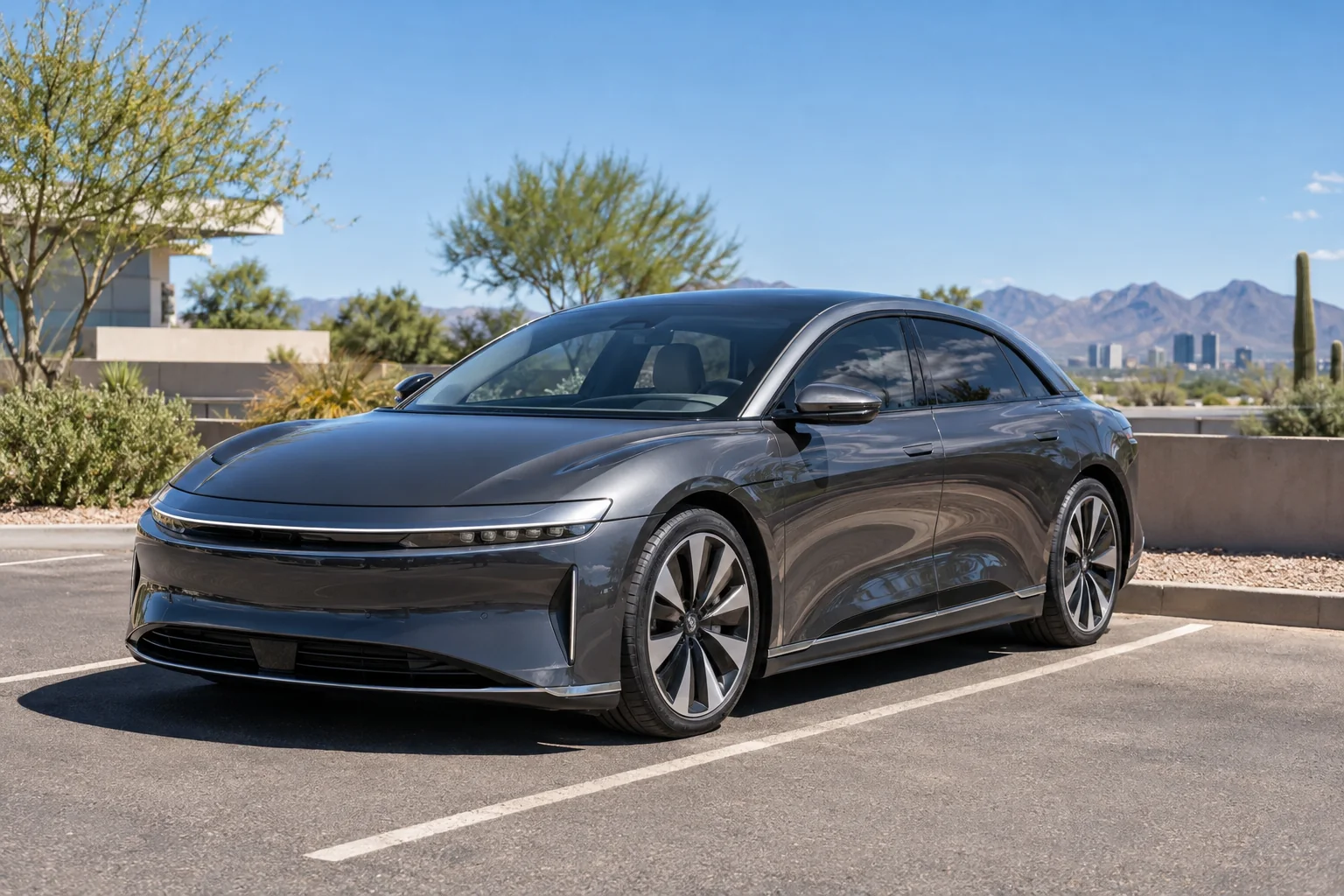
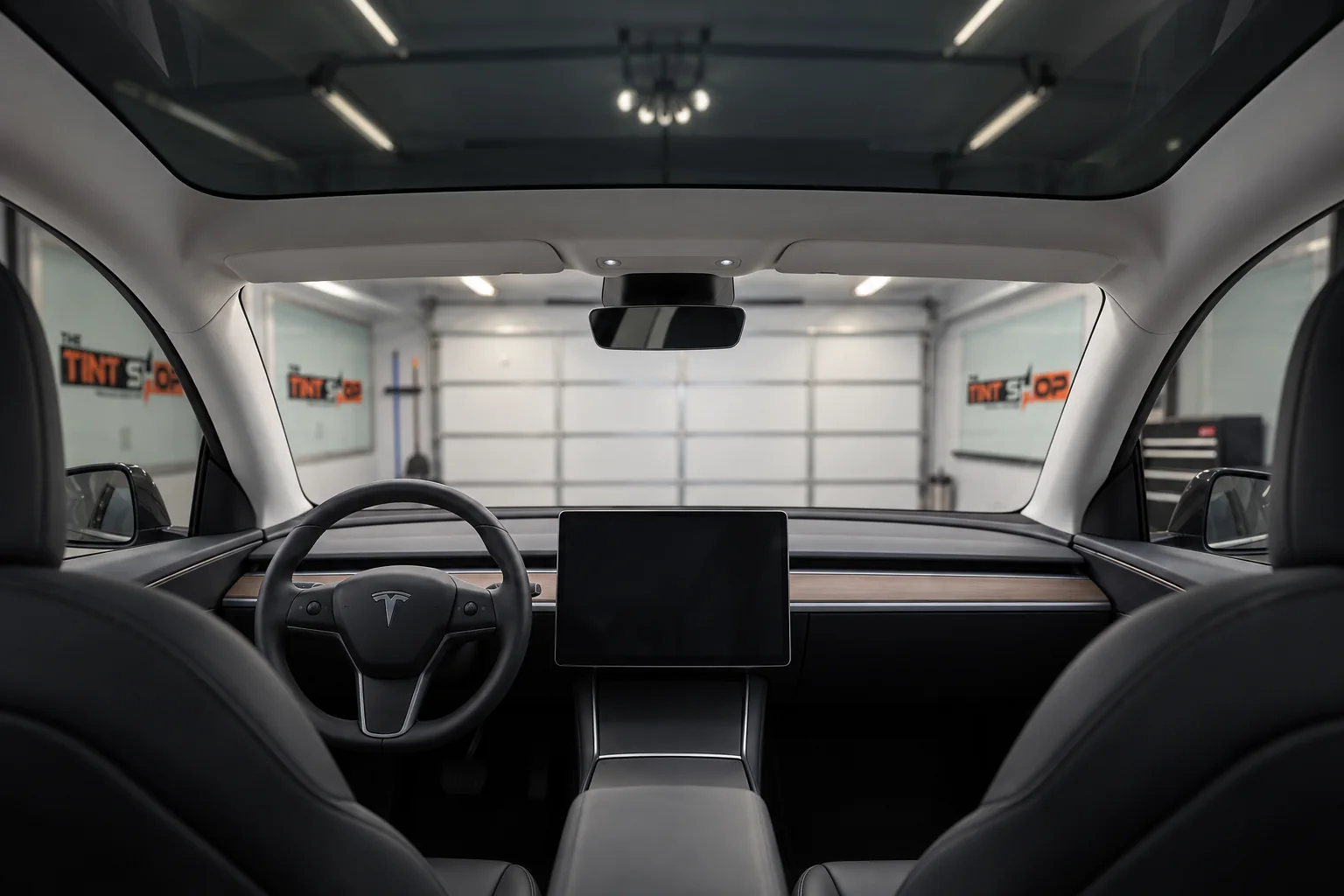
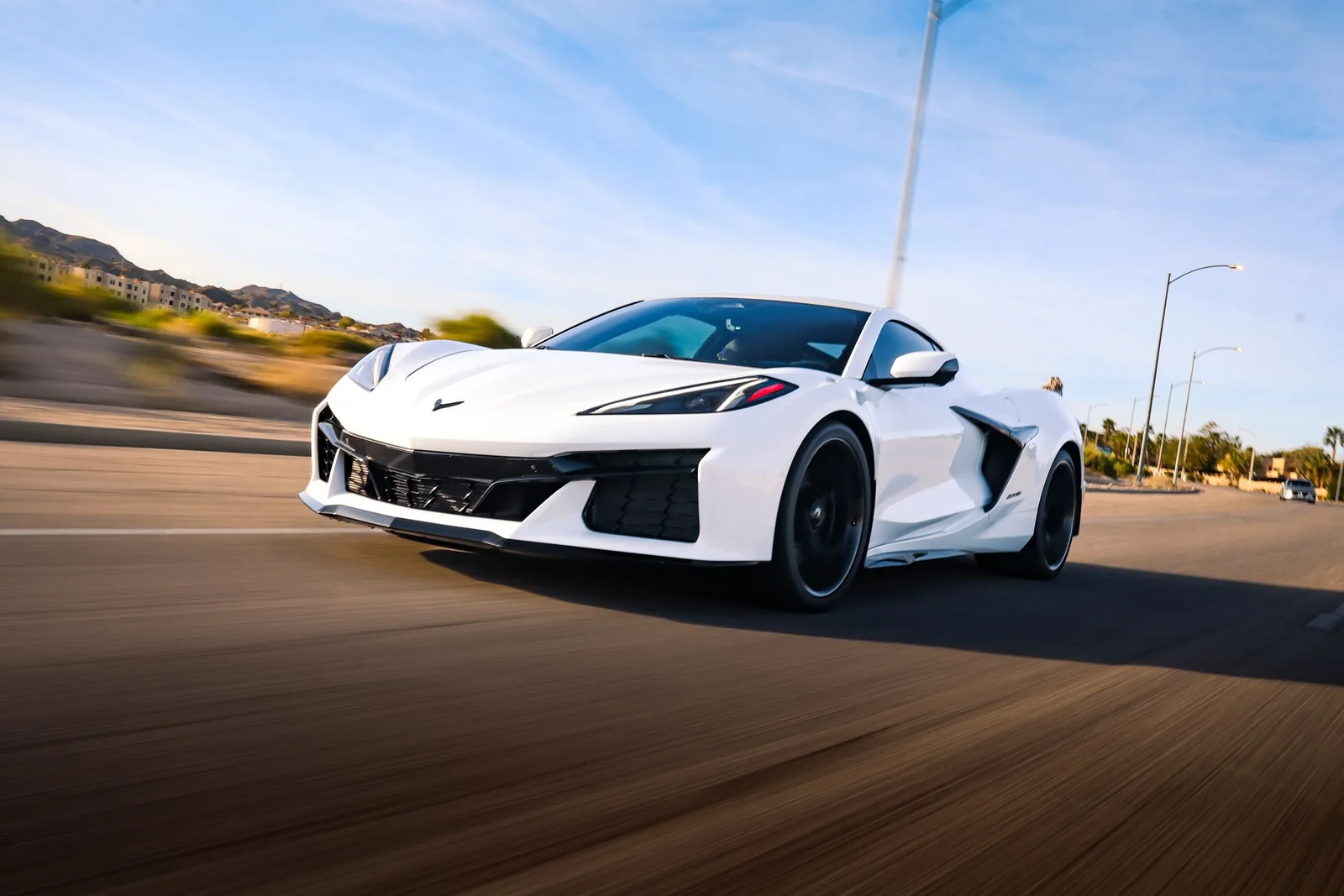
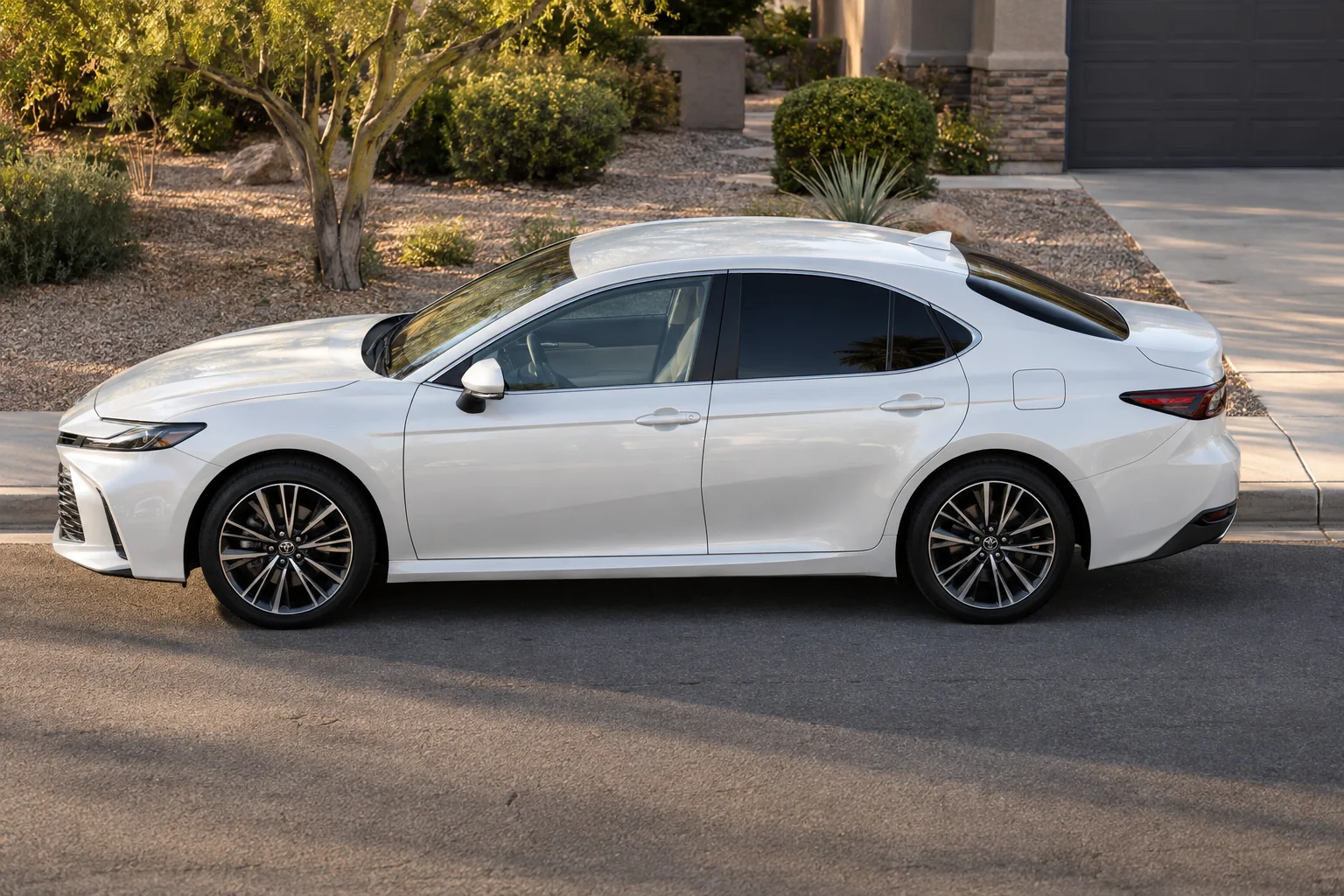
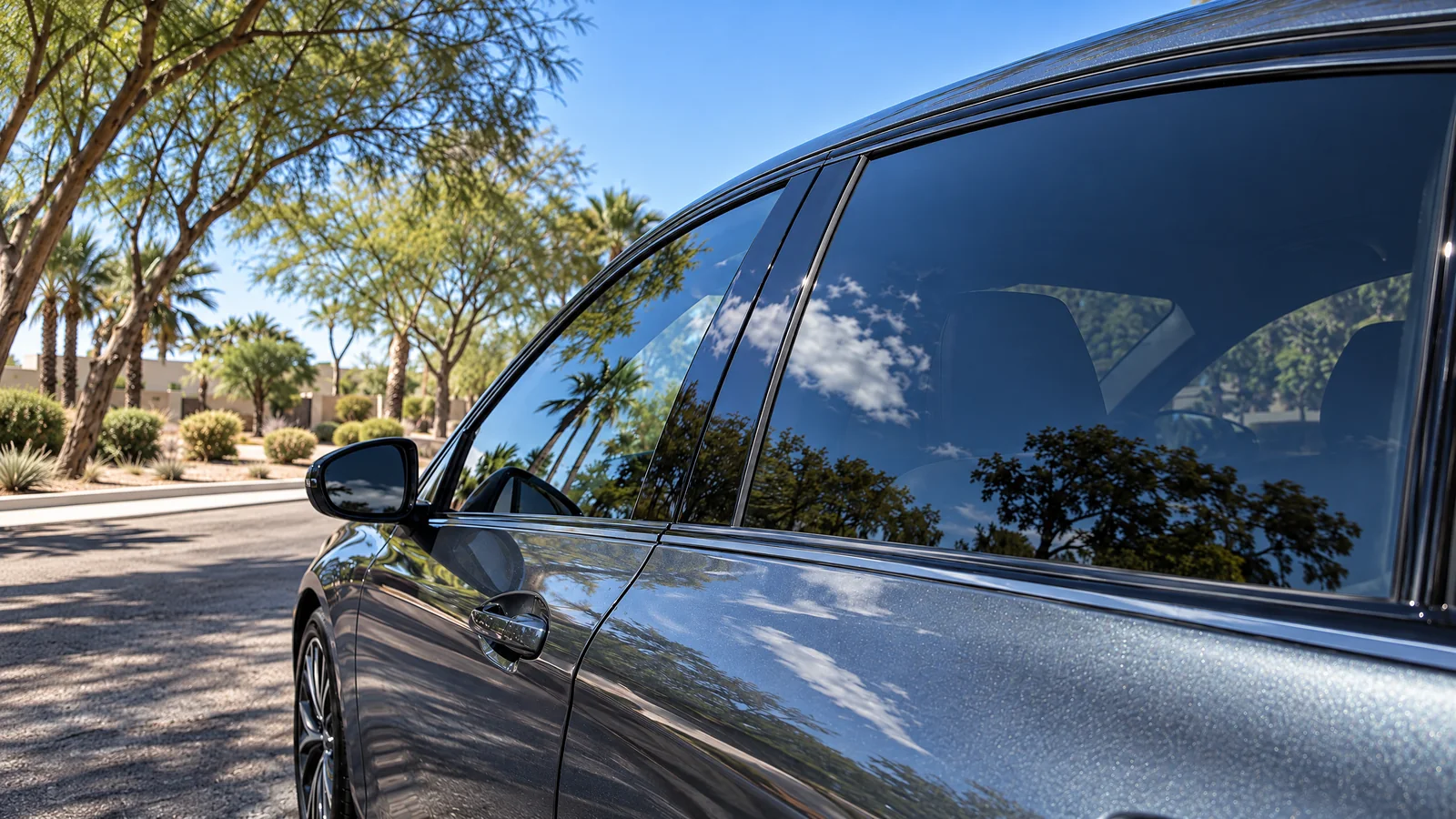
See the shades on a car
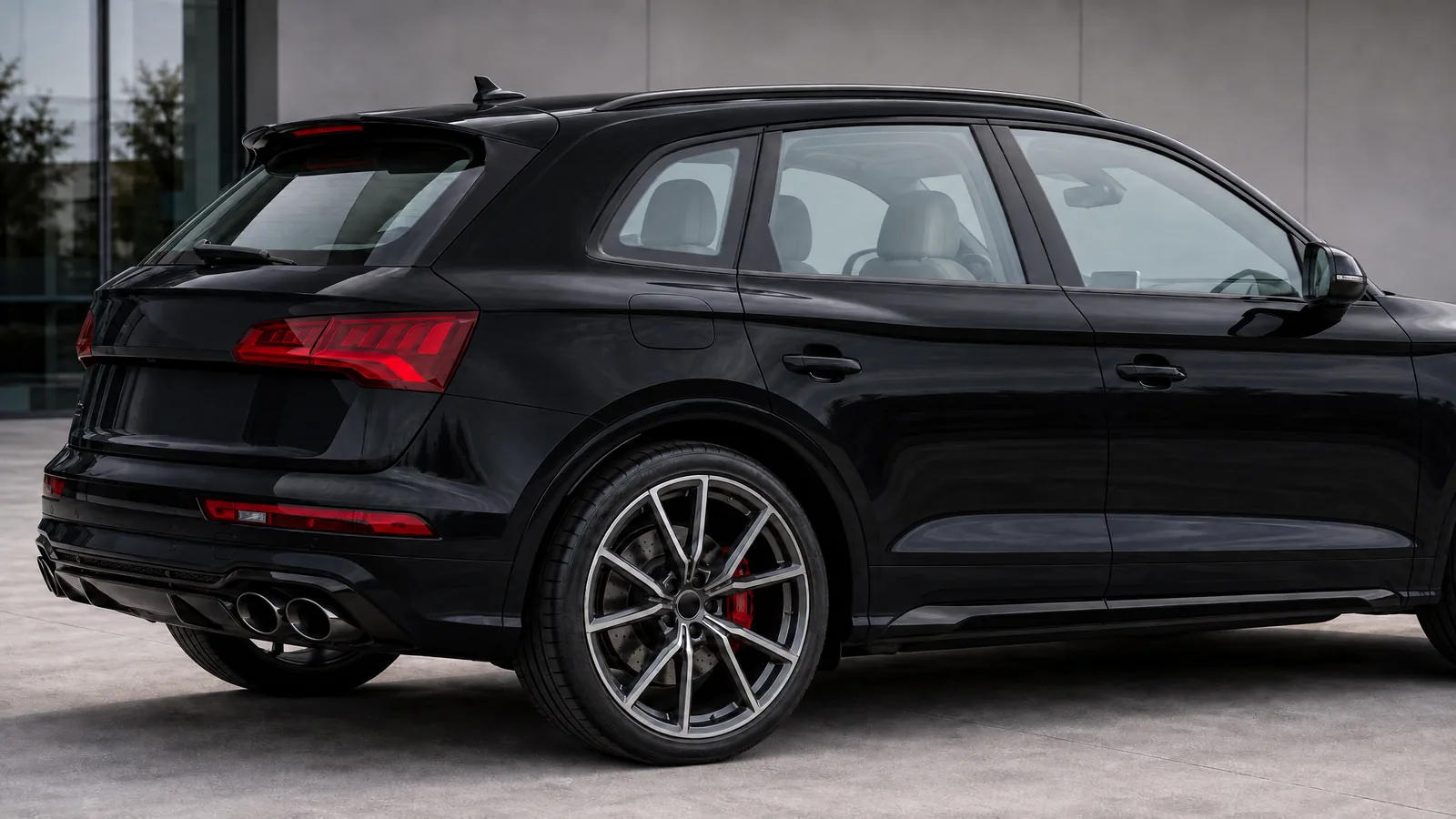
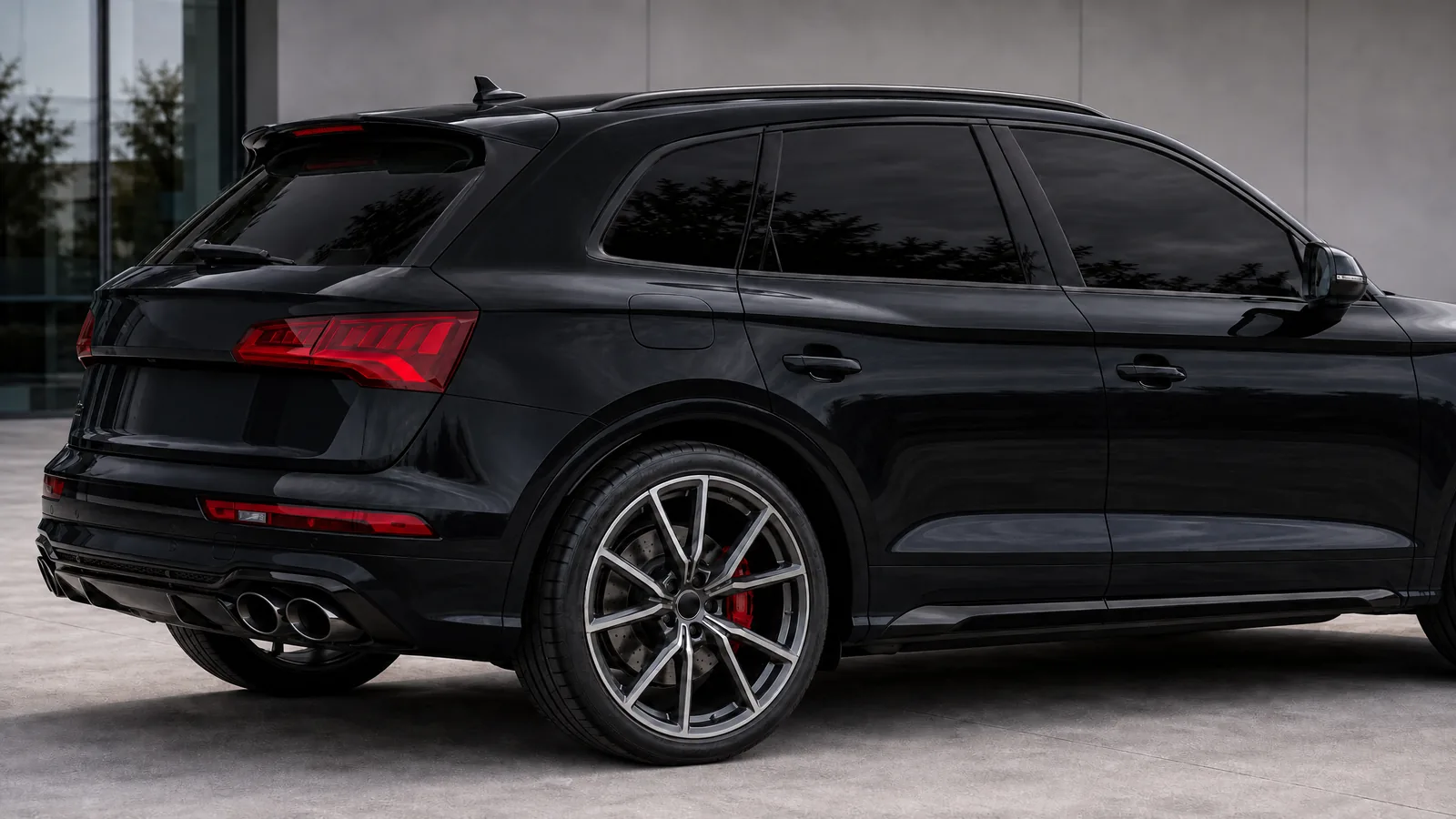
Pick a shade to see it on the glass, from the darkest to nearly clear. The number is how much light gets through: 5% is the darkest, 70% is barely there.
The daily-driver balance
Privacy, real heat control and a factory look. On the front side windows it sits right at Arizona’s 33% line once the glass is counted, so we measure your glass before we fit it.
How dark can you tint in Arizona?
- Front side windows
- More than 33% of light through, film and glass together
- Rear side windows
- Any shade
- Back window
- Any shade, with mirrors on both sides
- Windshield
- A strip across the very top only
Shade guide
Every Union window tint shade
The number is the share of light the film lets through, so a lower number is darker. Arizona counts the film and the glass together on the front side windows, which must let more than 33% through; behind the driver any shade is legal with mirrors on both sides.
- 5%
Darkest
The darkest shade we fit. Nothing in the cabin shows from outside, so in Arizona it goes on the windows behind the driver.
Rear side and back windows
- 15%
Very dark
A blacked-out look behind the driver that still lets you see out at night. A favorite for the rear glass of trucks and SUVs.
Rear side and back windows
- 20%
Dark
A dark, even finish with a little more light through than 15%. In Arizona it stays on the windows behind the driver.
Rear side and back windows
- 35%
Medium
Privacy, real heat control and a factory look. On the front side windows it sits right at Arizona’s 33% line once the glass is counted, so we measure your glass before we fit it.
Every window, once your glass is measured
- 50%
Light
Heat and UV control without changing how the car looks. Legal on the front side windows in Arizona.
Every side window
- 70%
Nearly clear
Barely reads as tint. For drivers who want the film’s heat and UV control with no darkness at all.
Every side window
Union Window Films
Which Union film is right for you?
We fit two Union Window Films car films. Both keep their color, both block 99.99% of UV, and both carry Union’s lifetime warranty. The difference is how much infrared heat they stop.
The everyday choice
Carbon IR
A carbon film that holds its color and stays black, never purple. A real step up in comfort over dyed film.
- Infrared heat blocked
- 75%
- UV blocked
- 99.99%
The most heat blocked
Ceramic IR
The same carbon base with a ceramic layer built to stop heat — the clearest view and the most heat control Union offers.
- Infrared heat blocked
- 87%
- UV blocked
- 99.99%
No metal in either film, so phones, GPS, radio and keyless entry work as normal.
Free quote
Get a free window tinting quote
Tell us about your car, home or business and we’ll come back with a clear price. Prefer to talk it through? Give us a call.
- Monday – Saturday8:30 am – 5:30 pm
- SundayClosed
Mobile service may be available on request — ask when you book.
What tint shades can I choose from?
From darkest to lightest: 5%, 15%, 20%, 35%, 50% and 70%. Darker shades give more privacy, lighter ones keep a factory look, and we make sure the front windows stay legal.
How dark can I tint my windows in Arizona?
In Arizona, the front side windows must let in at least 33% of light, and the rear side windows and back window can take any shade. We check the law for your car before we start.
Is ceramic tint worth it?
Yes, if heat matters to you. Ceramic film keeps more heat out without having to look darker: Union Ceramic IR blocks up to 87% of infrared heat, against 75% for Union Carbon IR.
When can I roll my windows down after tinting?
Keep them up for 3 to 5 days while the film dries, and wait a week before cleaning the inside of the glass. Use a soft cloth and an ammonia-free cleaner.
How much does car window tinting cost?
Car window tinting usually costs from $200 to $800. The price depends on your vehicle and the film you choose.
How much does ceramic window tint cost?
Ceramic window tint usually costs from $350 to $1,000. The price depends on your vehicle and the ceramic film you choose.